
PORTFOLIO
Applied environmental work.
Evidence across field, data & research.
Selected examples of how I have contributed to environmental, biodiversity, data, research and educational work — from evidence collection and quality control to analysis, coordination and technical communication.
Based in Poland · Professional experience rooted in Brazil · International collaboration
DOCUMENTED PRACTICE
Experience that can be traced back to documented work.
My professional inventory combines project-specific responsibilities with broader cross-sector staff-role evidence. The figures below distinguish formal project engagements from the wider technical scope documented through my environmental consultancy experience.
Applied experience.
Documented breadth.
The professional inventory contains 53 Brazilian Technical Responsibility Records (ARTs): 51 project-specific engagements and 2 cross-sector staff-role records from my in-house environmental-consultancy role. The latter are not counted as additional projects, but document broader responsibilities across multiple client and project contexts, including environmental studies and EIA/RIMA-related work, environmental education and training, terrestrial and aquatic fauna work, epidemiological surveillance and environmental health, data and database supervision, and technical communication. The 160 figure represents coded occurrences of technical activity categories across all 53 records, not separate contracts or physical deliverables, and the broader staff-role output corpus has not been exhaustively quantified.
INDEPENDENT & COLLABORATIVE WORK
Independent consultancy and research collaboration across borders.
Remote environmental assignments from Brazil and voluntary scientific collaborations from Poland.
Alongside my employment-based experience and academic work, I have contributed to independent consultancy assignments and collaborative scientific and technical projects involving professionals in Brazil. The examples below illustrate two phases of this work.
2020–2023 · BRAZIL · REMOTE
Independent environmental consultancy
Working remotely from Brazil, I contributed to project-based environmental consultancy assignments. My work included support for environmental assessments and technical studies, biodiversity and fauna-related analysis, the organisation of environmental data, and the preparation and review of technical reports.
FROM 2023 · POLAND · REMOTE · VOLUNTARY
Research and technical collaborations
Since moving to Poland, I have contributed on a voluntary, project-based basis to scientific and technical work led by professionals in Brazil. Examples of my contributions include organising and validating datasets, environmental and statistical analyses, literature reviews, methodological support, interpreting findings, and preparing or reviewing technical and scientific materials.
These forms of collaboration connect environmental practice with data analysis, research and technical communication across different professional contexts.
01
ENVIRONMENTAL CONSULTANCY & ASSESSMENT
Environmental evidence for assessment, licensing and reporting.
Connecting biodiversity evidence, project context and technical reporting.
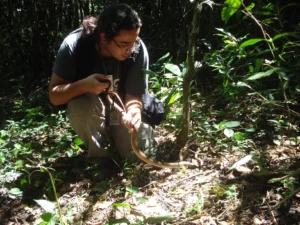
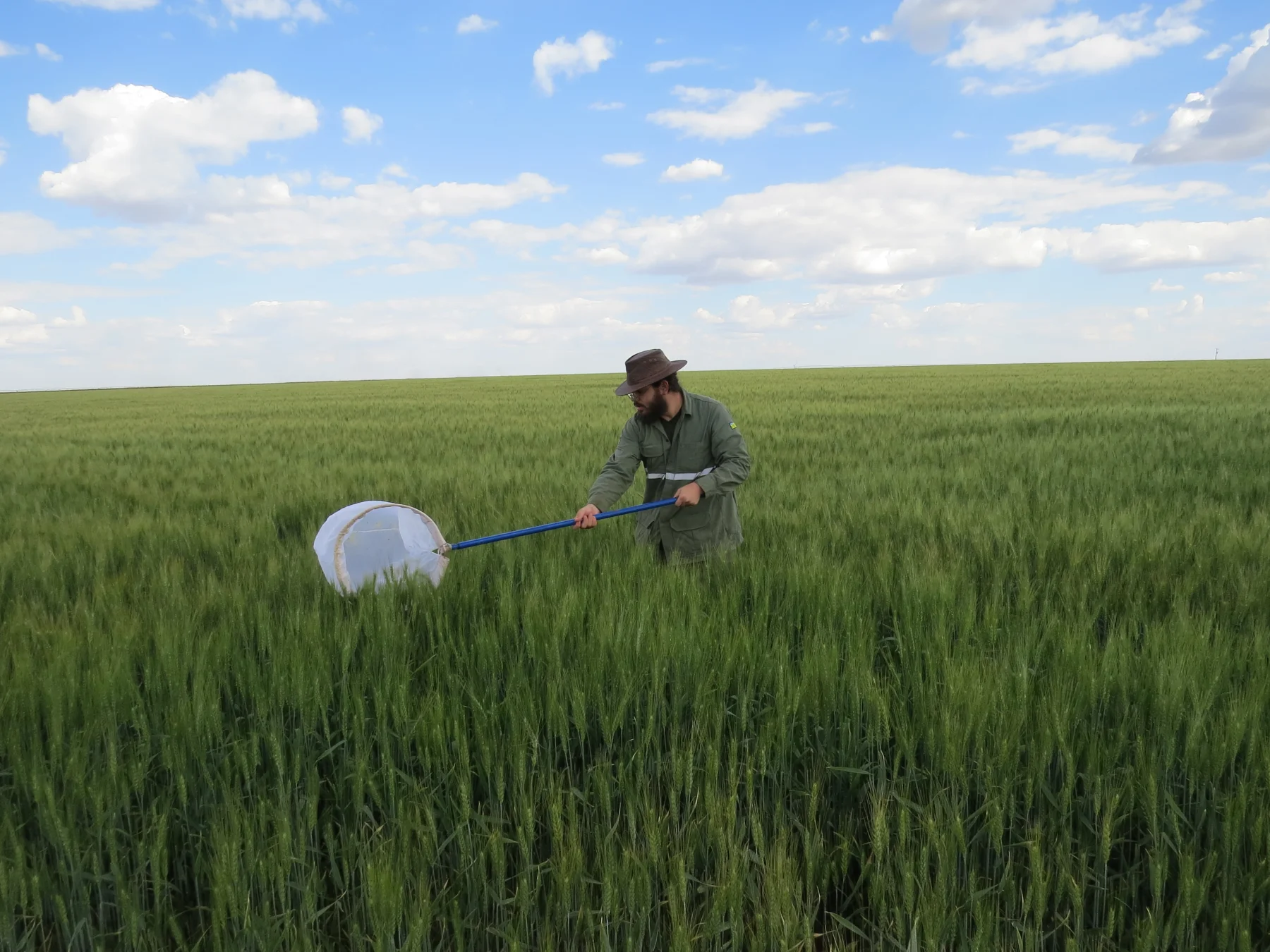
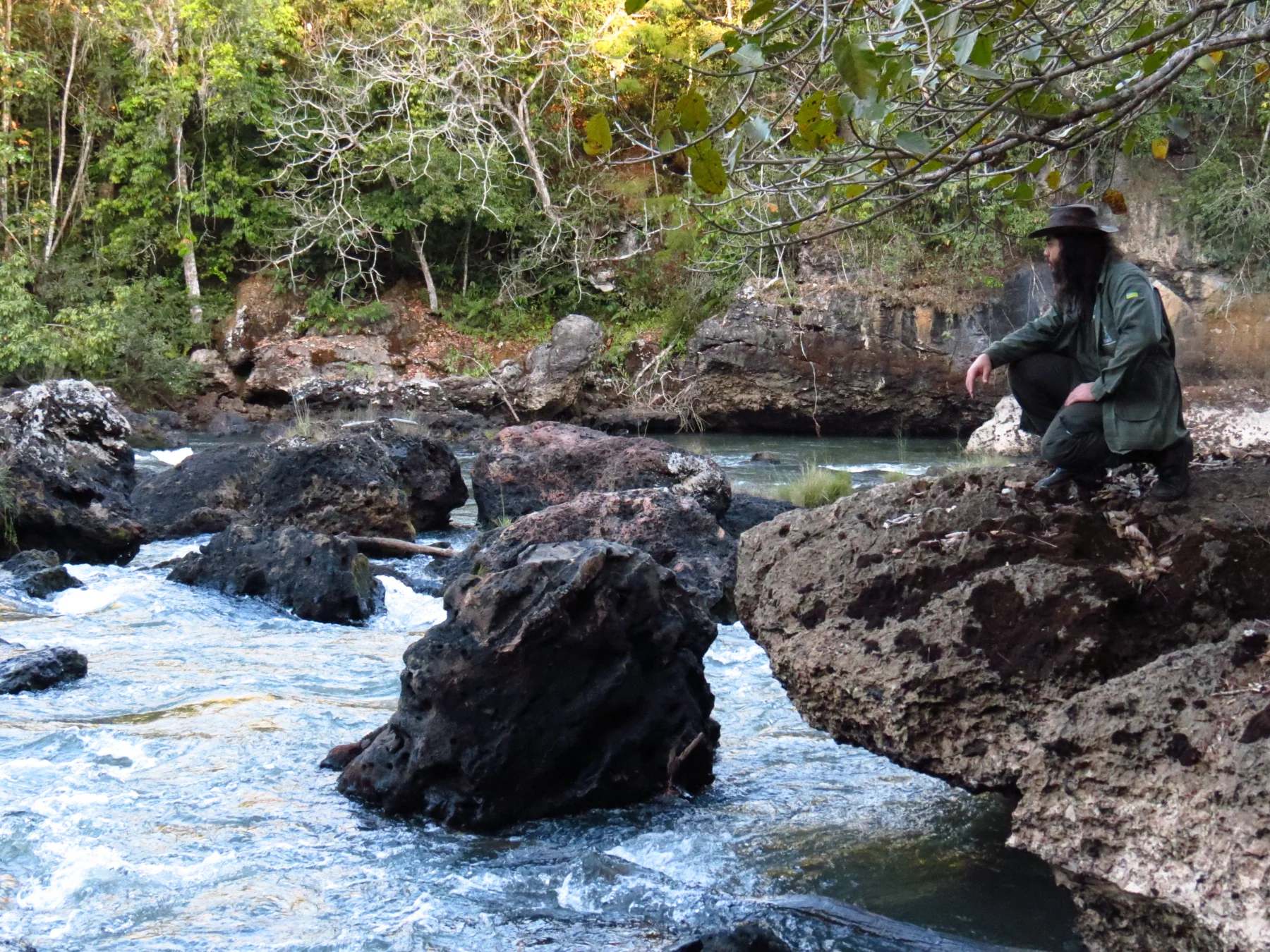
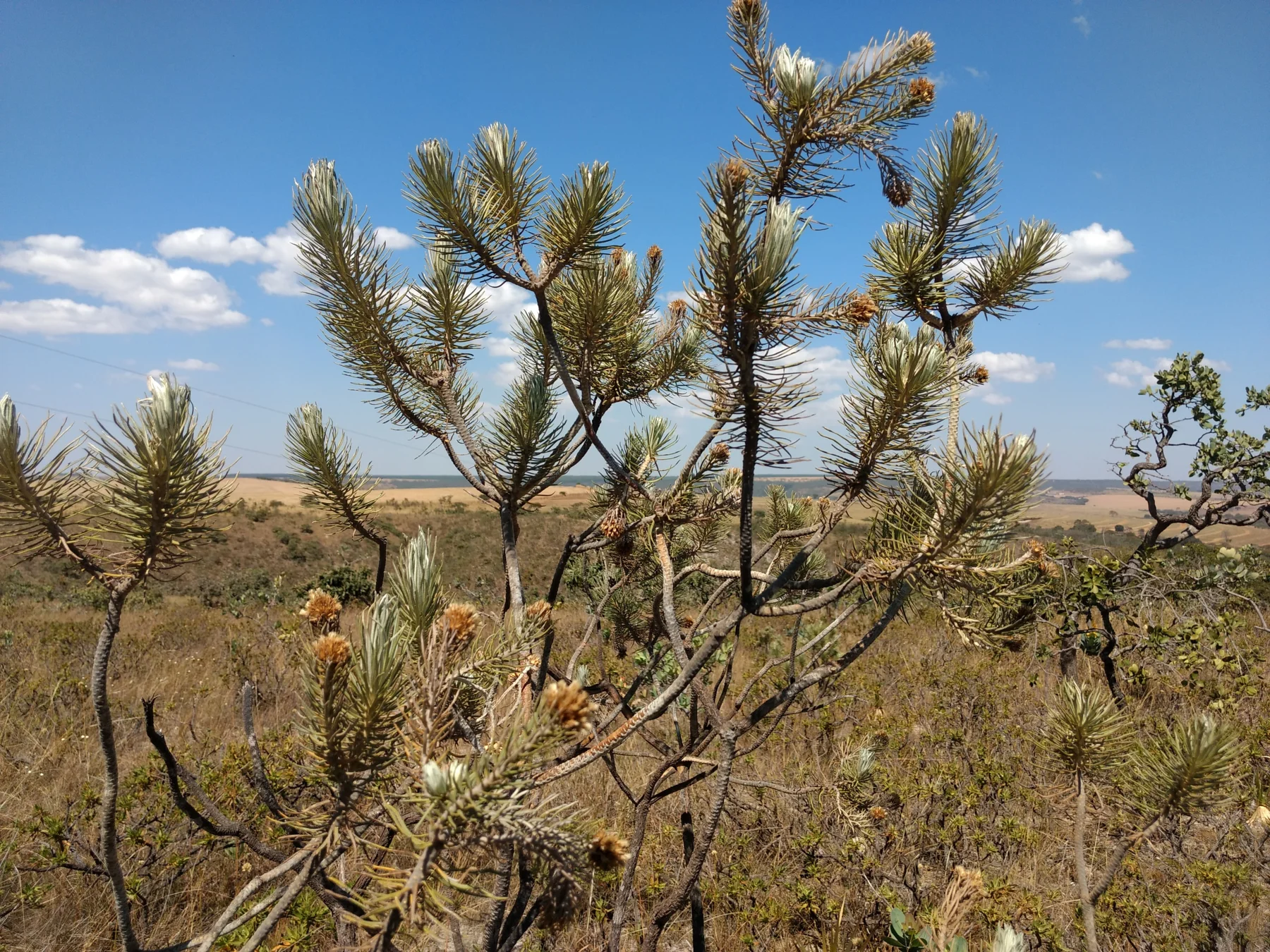
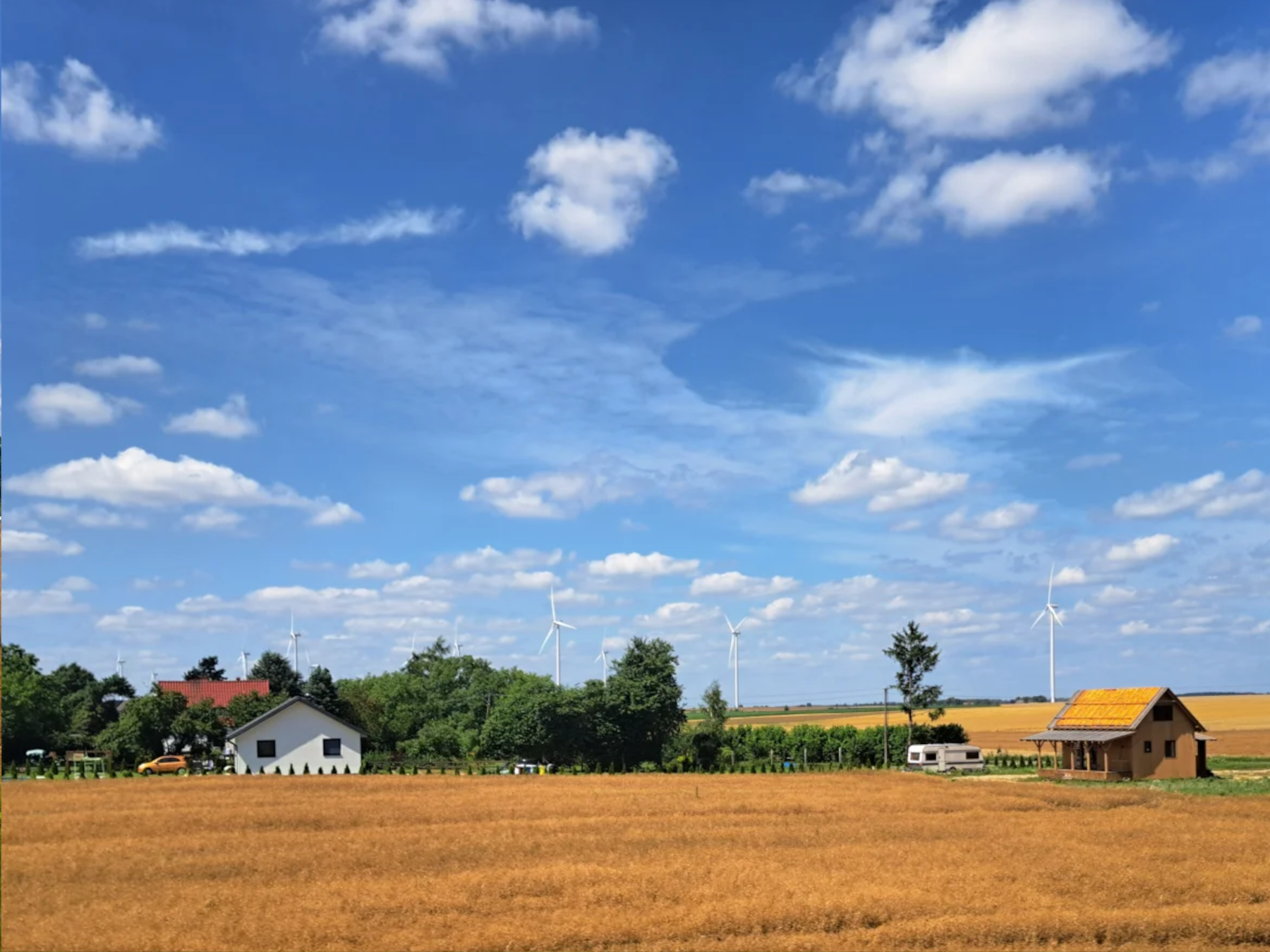
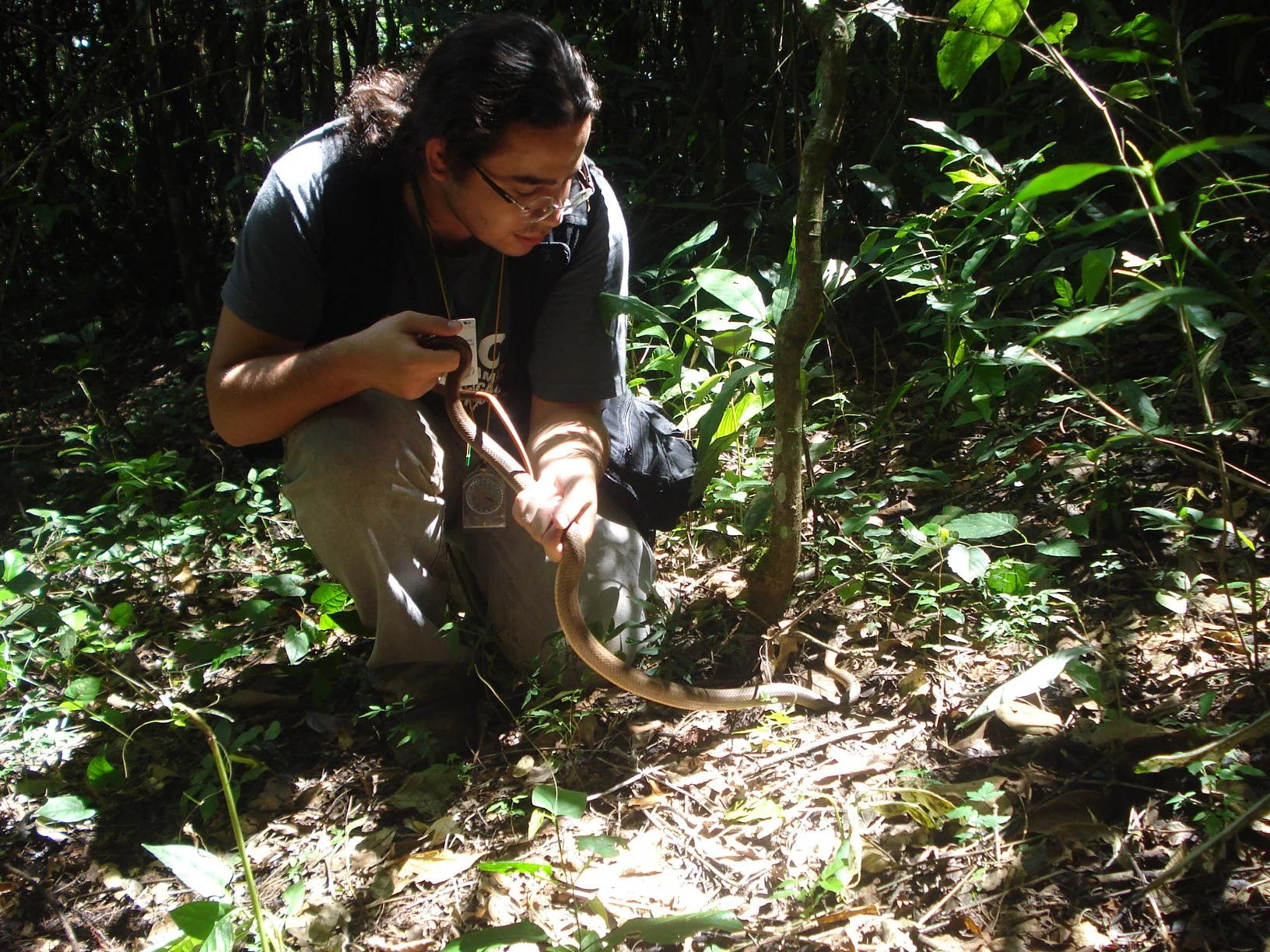
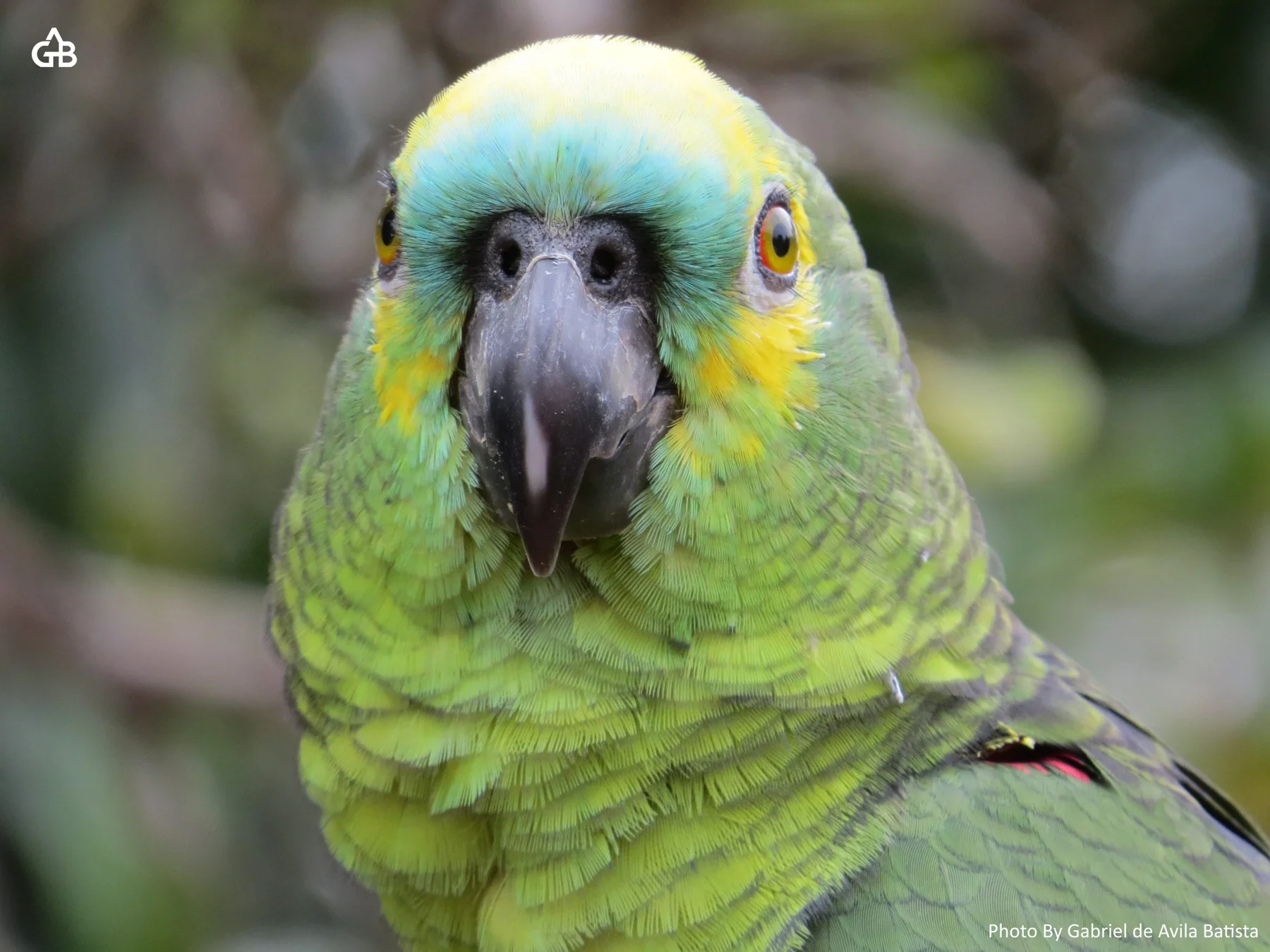
My applied environmental experience includes biological components of environmental studies, EIA/RIMA work, environmental diagnostics, secondary-data assessment, fauna evidence and technical reporting across Brazilian project contexts.
EIA/RIMA · BIOENERGY
Entomofauna evidence for environmental assessment
Field survey and taxonomic classification of entomofauna for an EIA/RIMA context associated with sugarcane cultivation in Edéia, Goiás, Brazil.
EIA/RIMA · AGRIBUSINESS
Field evidence and fauna reporting
Entomofauna fieldwork for environmental-impact studies in Luziânia, Goiás, alongside contribution to the mammal-fauna component of the environmental study.
DIAGNOSTICS · REPORTING
From monitoring records to technical diagnosis
Experience preparing and reviewing fauna diagnostics and consolidated technical reporting, including entomofauna and broader biotic-environment components.
02
BIODIVERSITY & FIELDWORK
From field records to defensible biodiversity evidence.
Fieldwork, identification, monitoring and diagnosis across different fauna contexts.
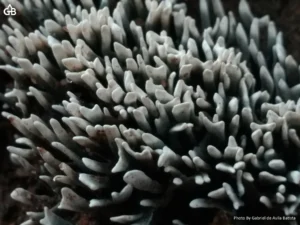
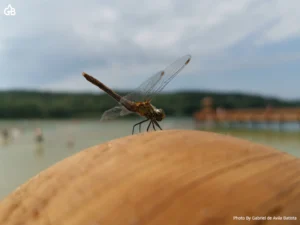
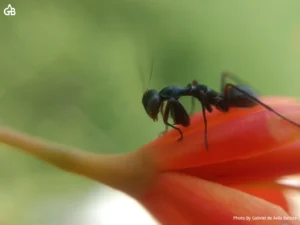
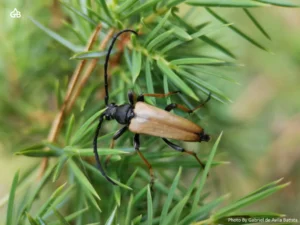
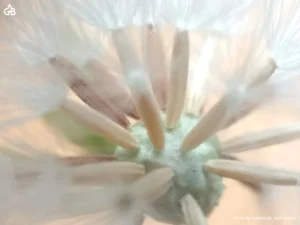
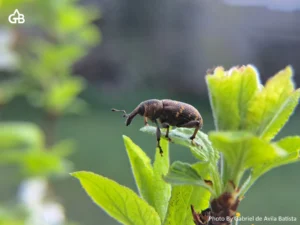

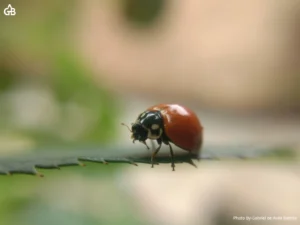
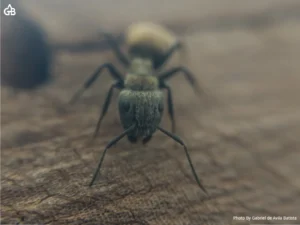
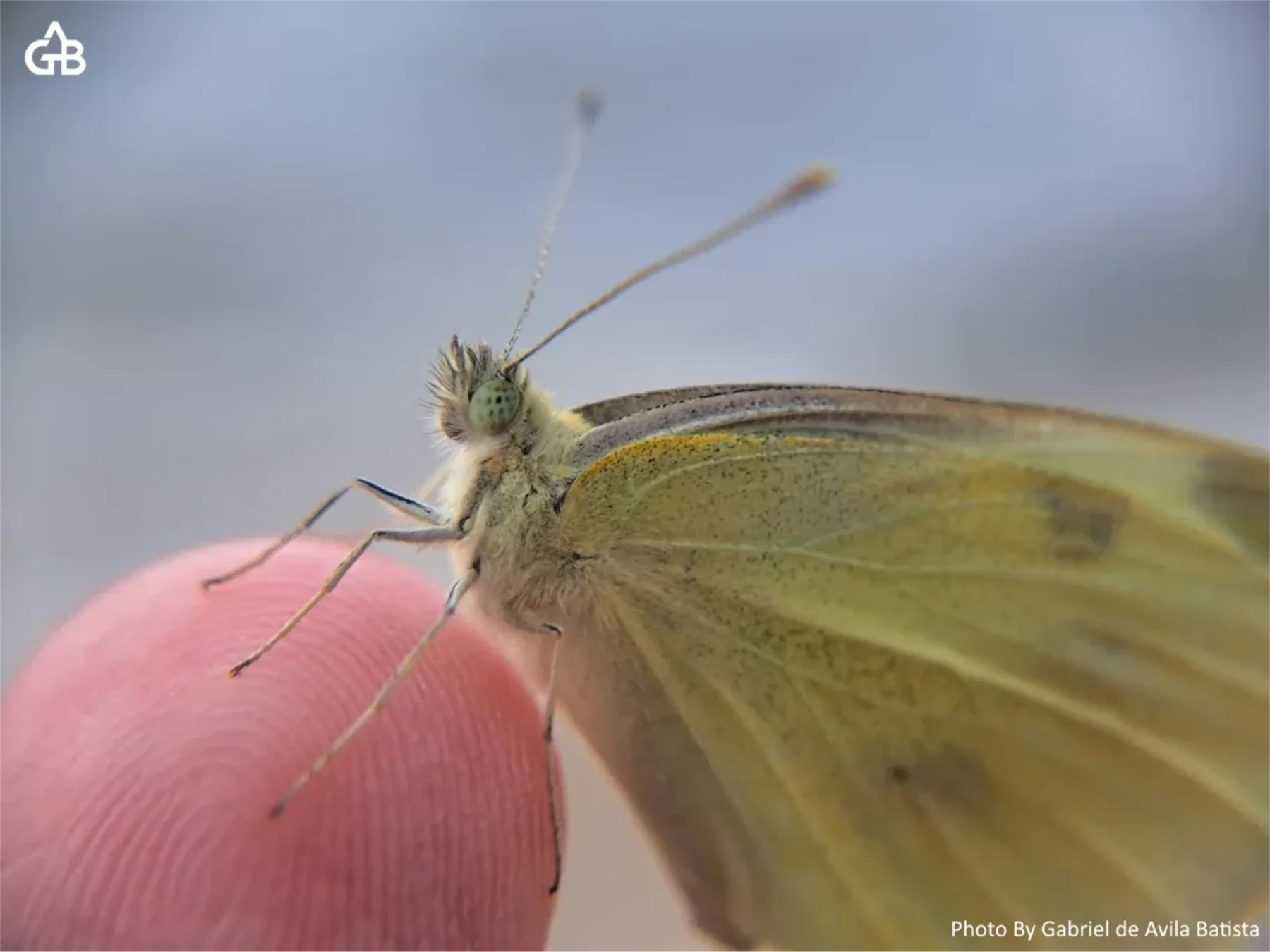
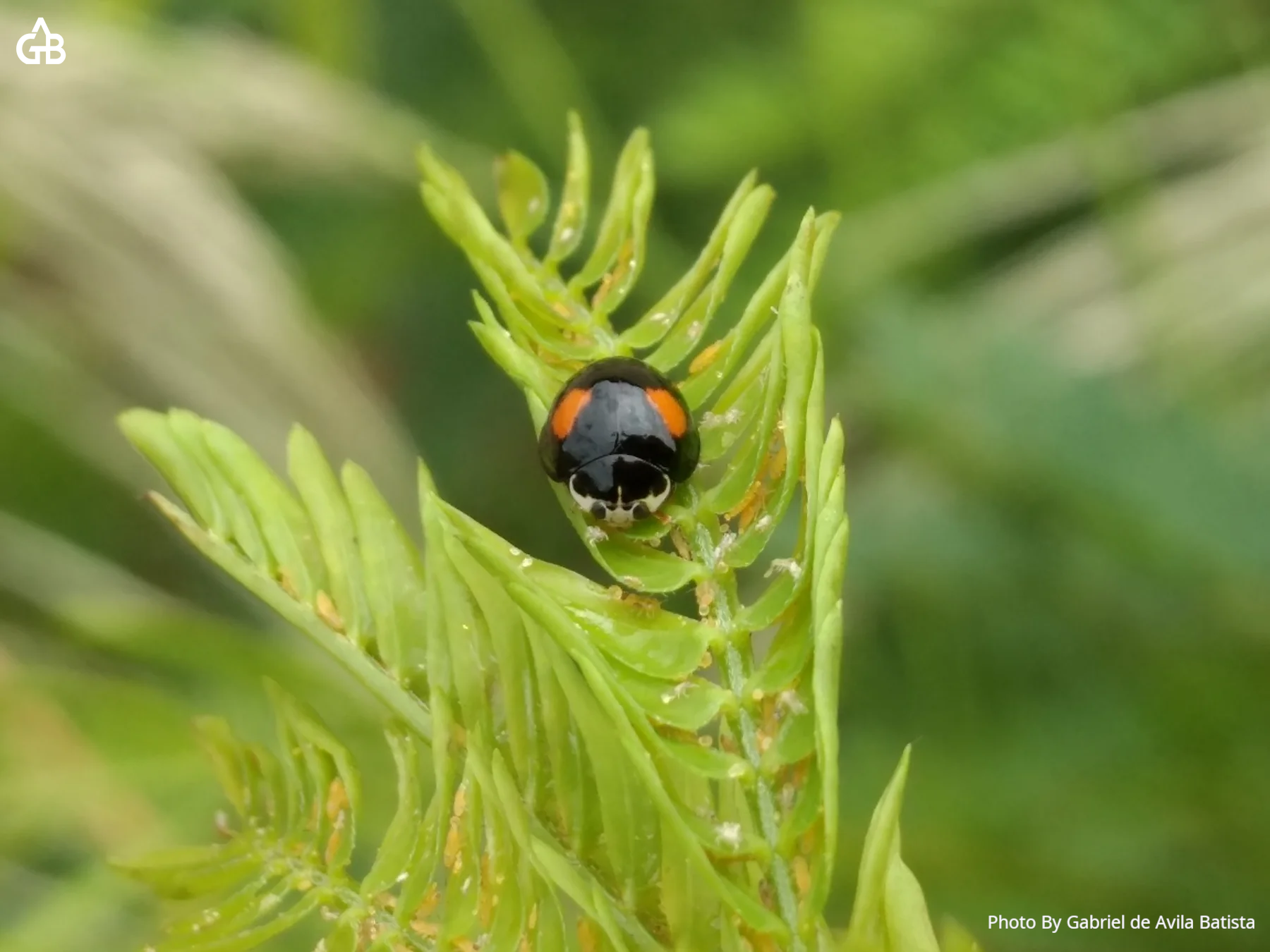
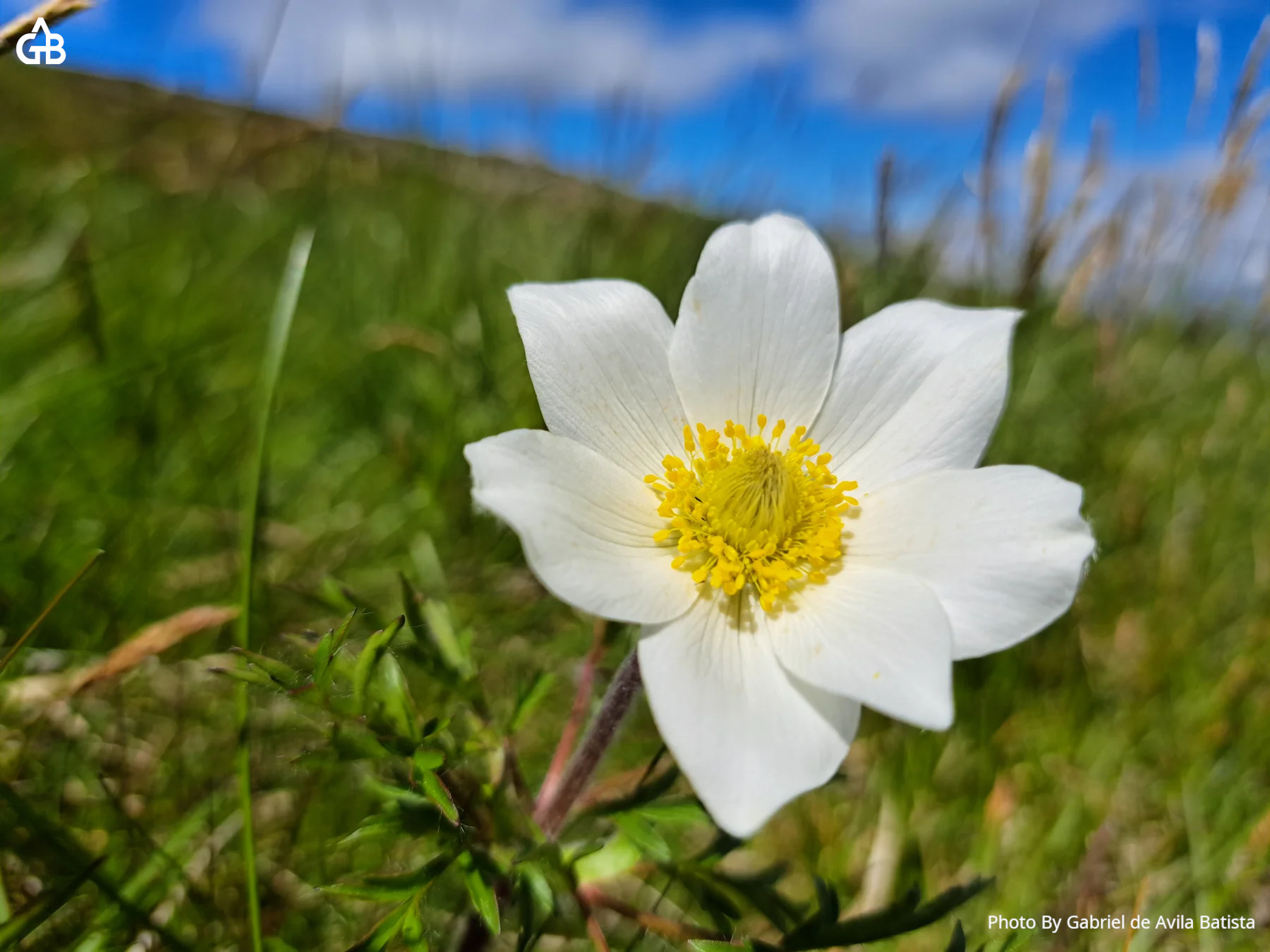
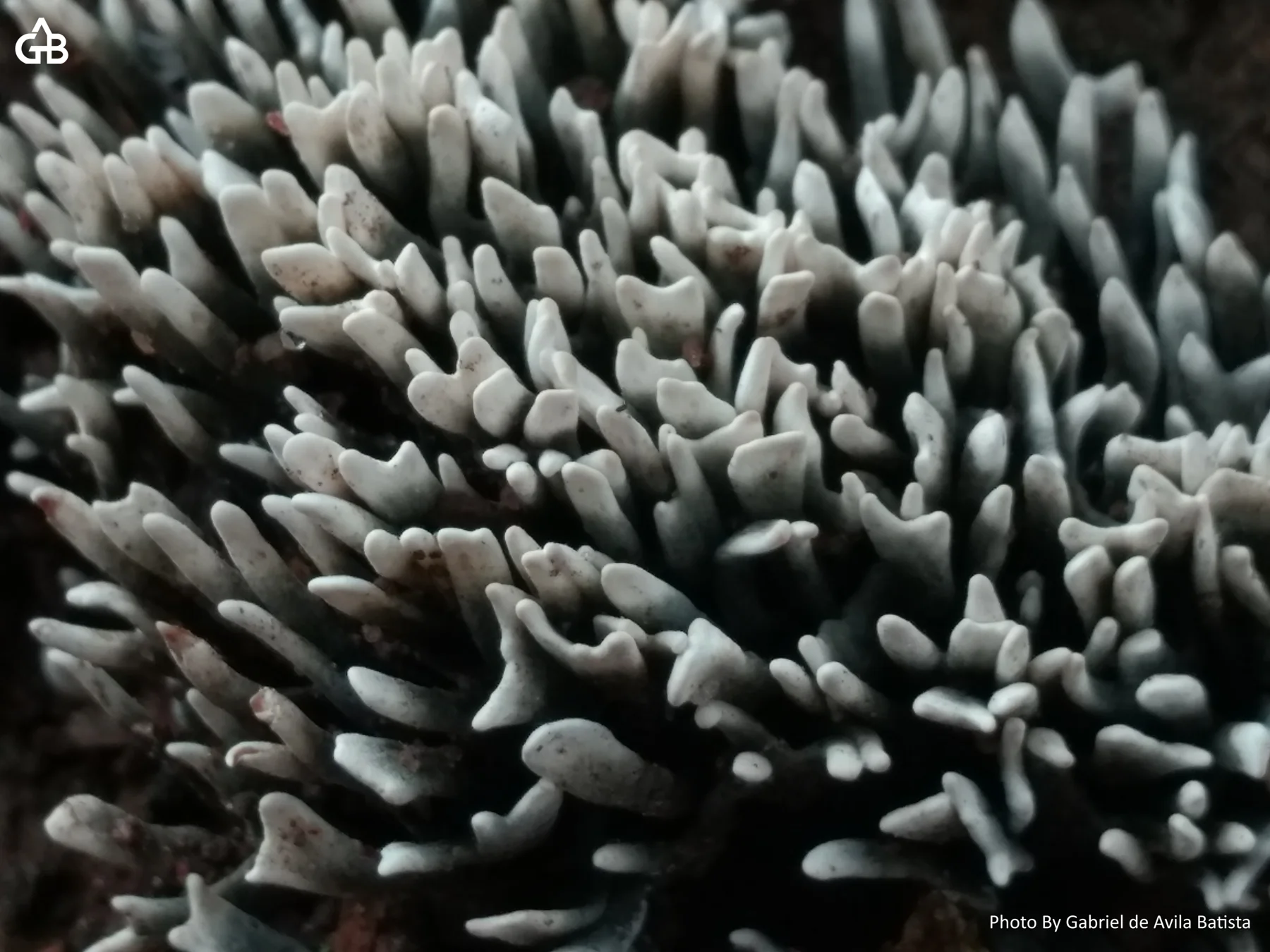
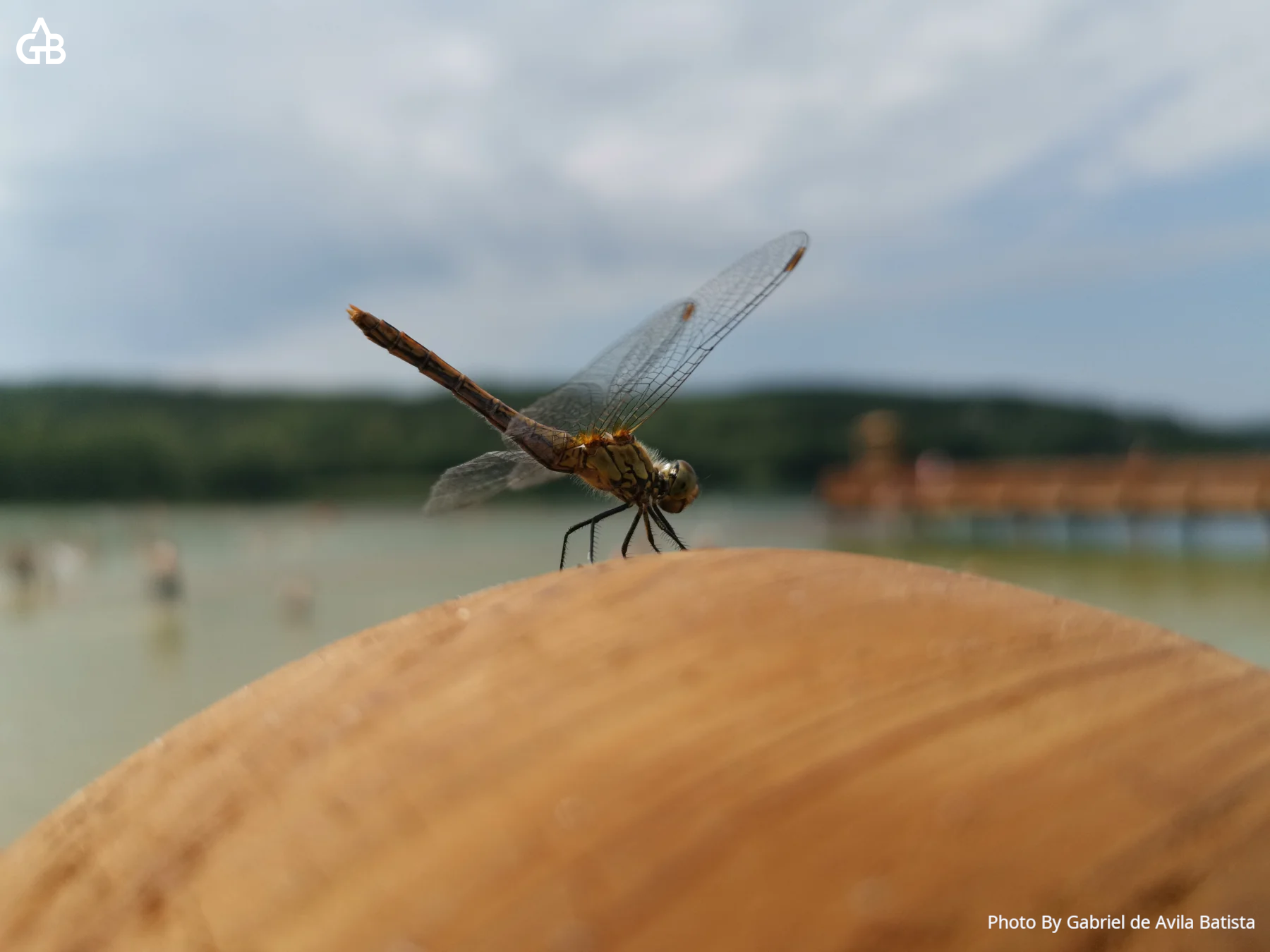
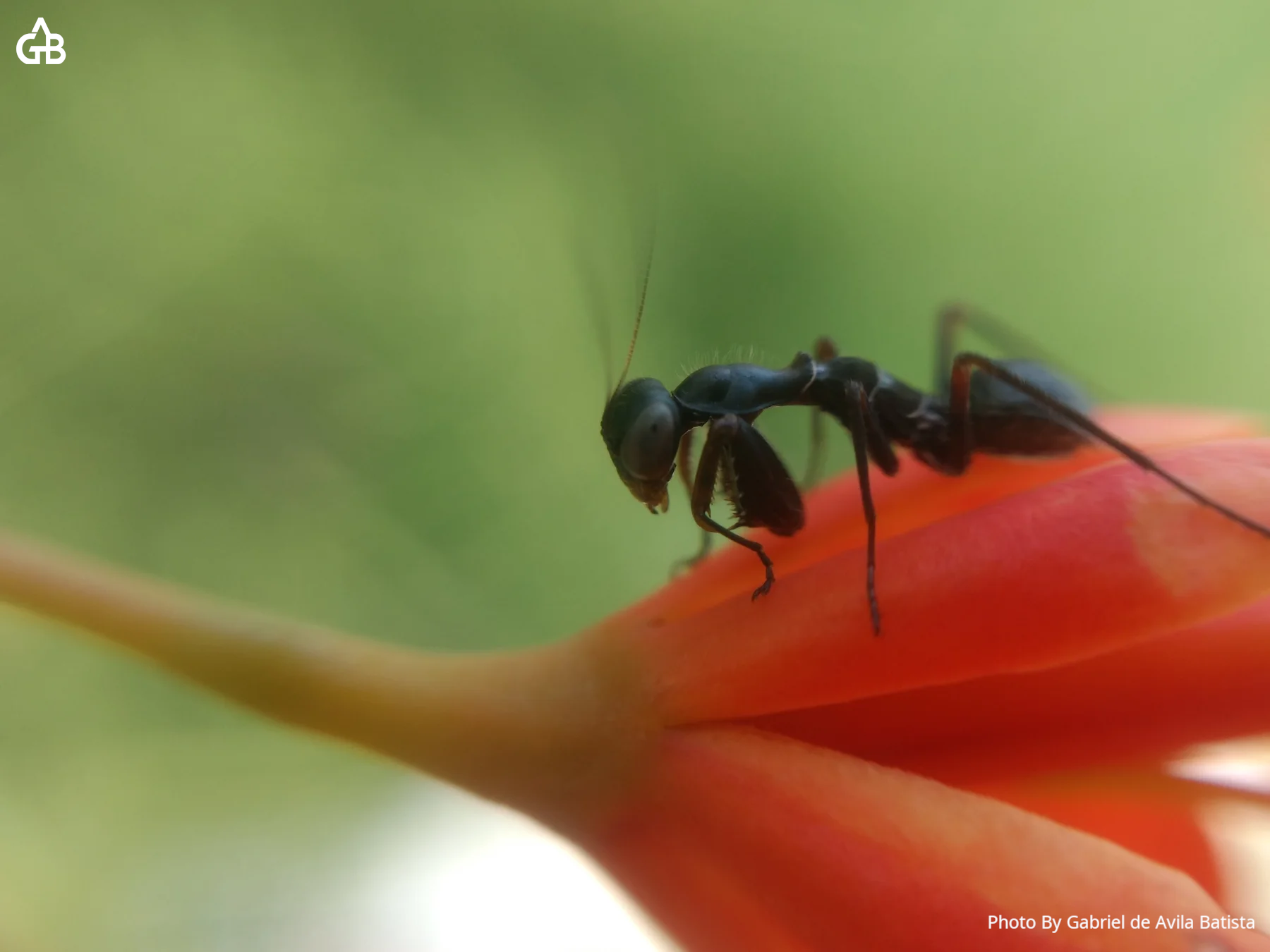
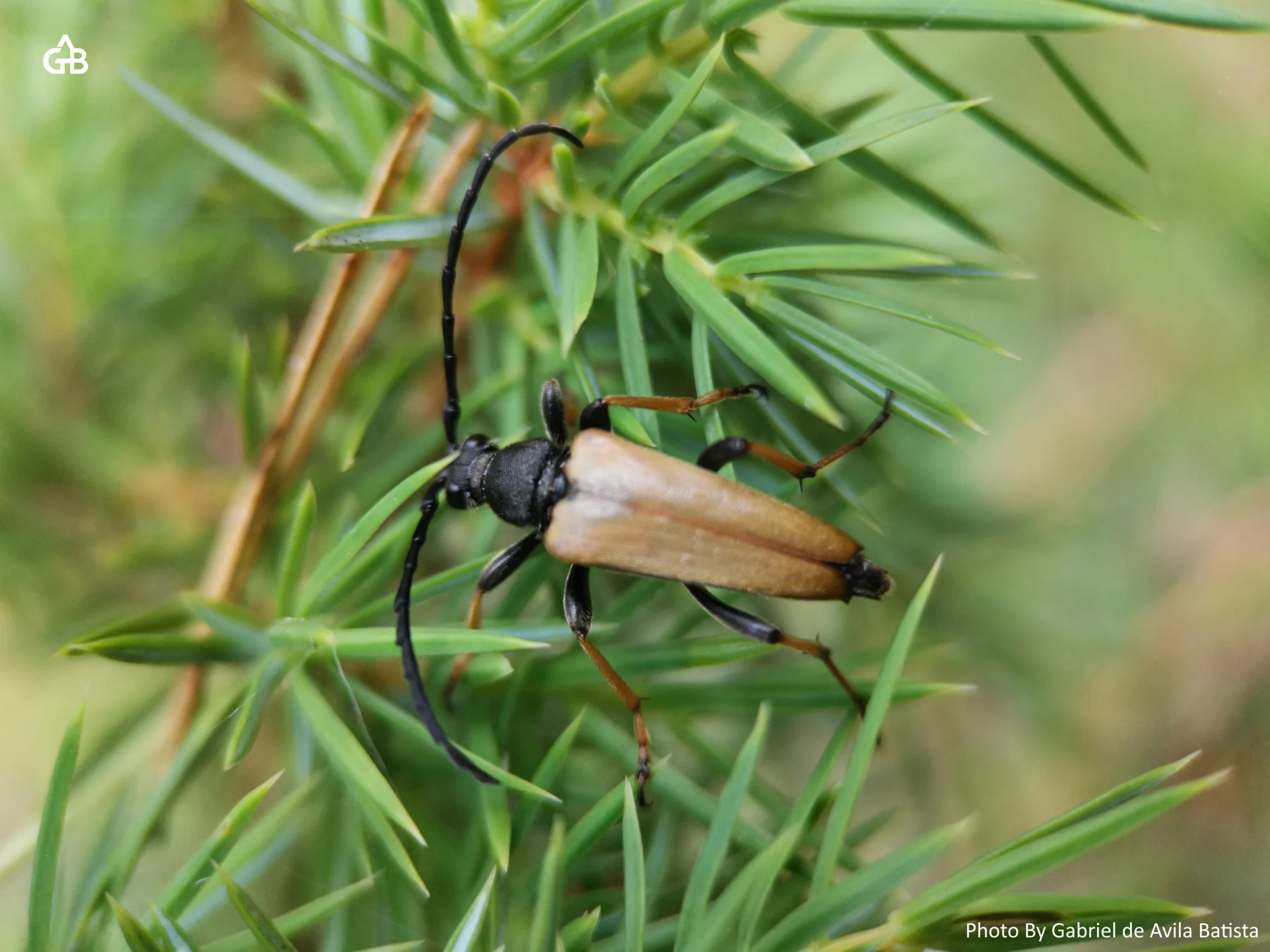
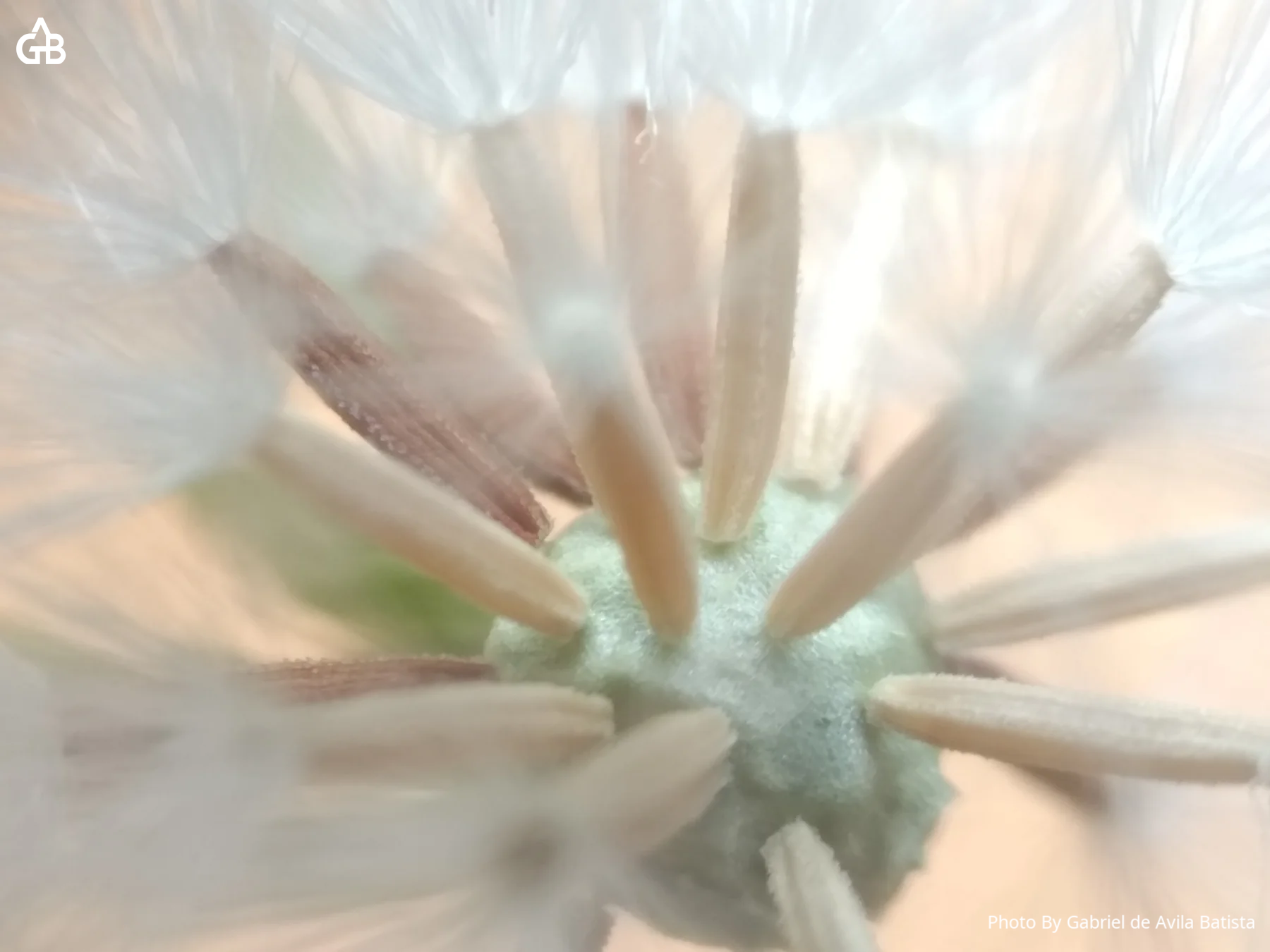
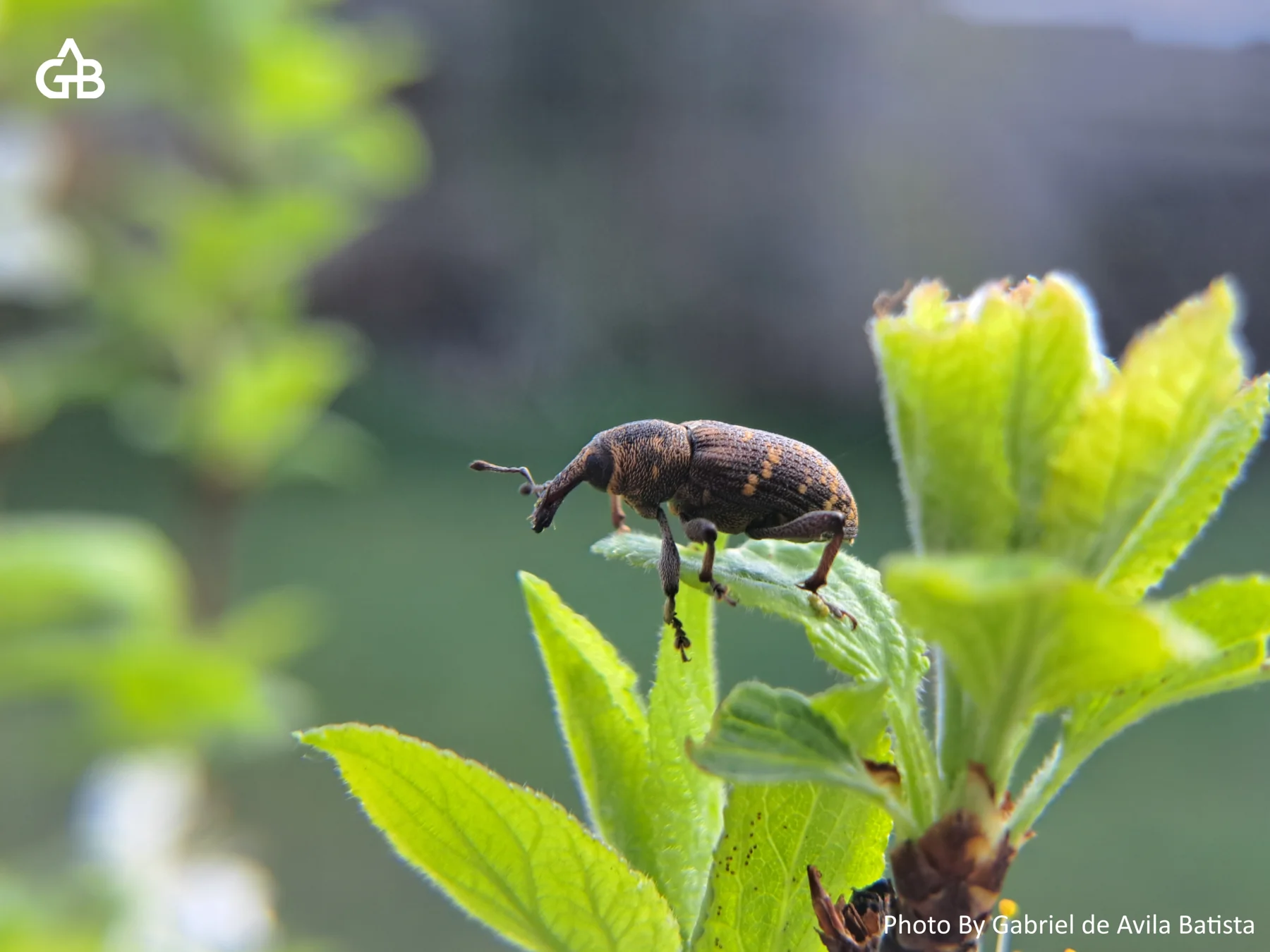


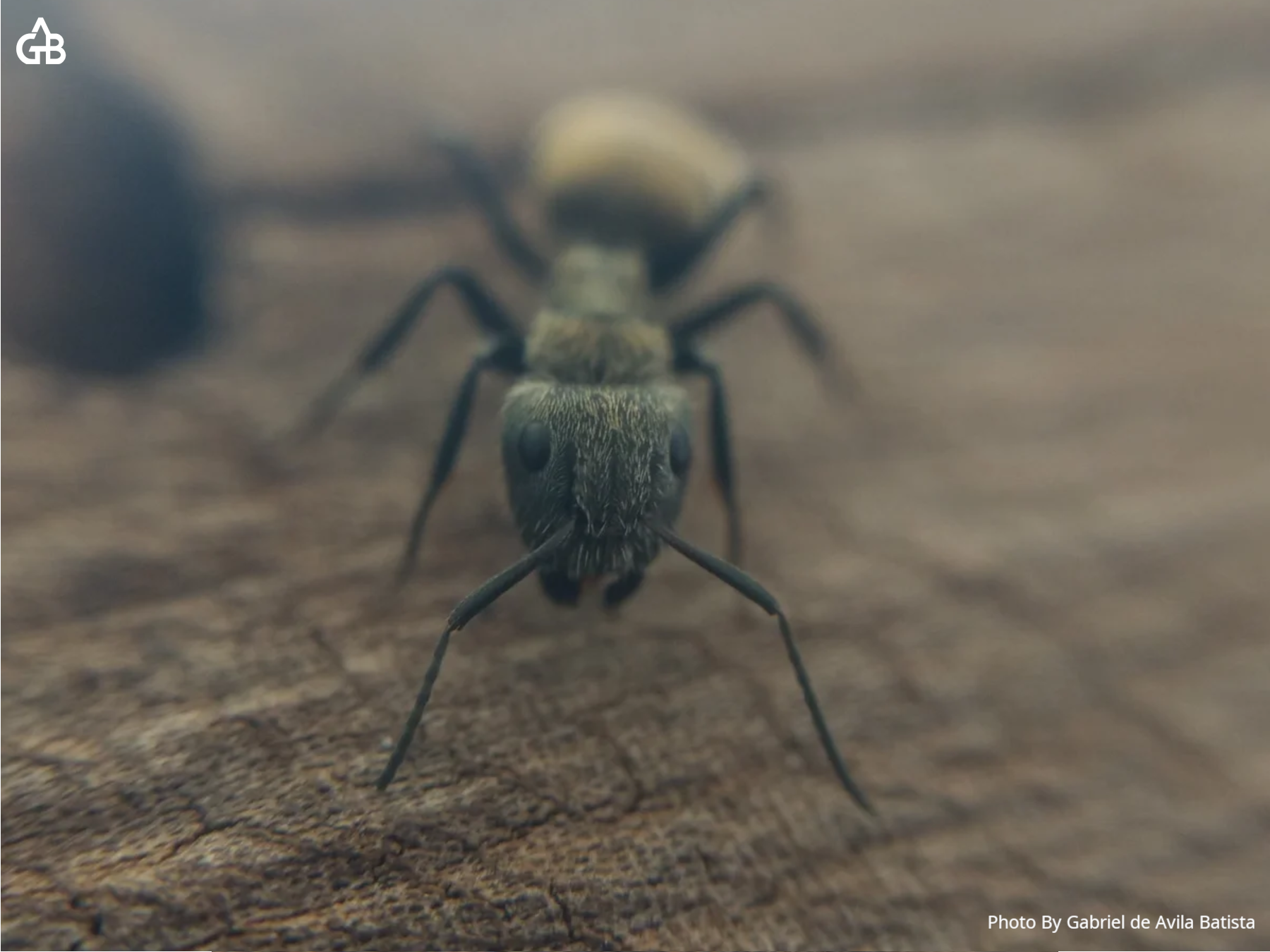
My field and biodiversity background combines terrestrial invertebrates, entomofauna, vector invertebrates, aquatic-mammal monitoring, bioespeleology and other fauna-related activities. The emphasis is not only on collection, but on connecting observations with identification, data organisation and reporting.
TERRESTRIAL INVERTEBRATES
Entomofauna & vector invertebrates
Survey, identification, secondary evidence and diagnosis in environmental-consultancy contexts.
AQUATIC MAMMALS
Monitoring in hydropower contexts
Participation in monitoring programmes involving Inia geoffrensis in the influence areas of Brazilian hydropower projects.
BIOESPELEOLOGY
Cave-fauna evidence
Survey and identification of terrestrial invertebrates, impact assessment and contribution to consolidated bioespeleology reporting.
03
DATA, QUALITY & ANALYTICAL WORKFLOWS
Data that can be checked, interpreted and communicated.
A cross-functional workflow from large environmental databases to analysis and reporting.
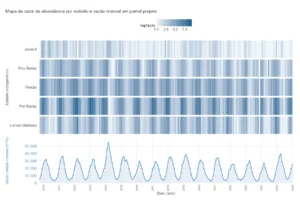
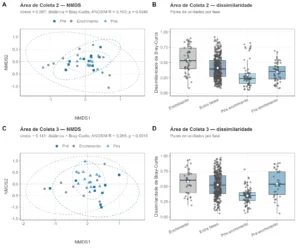
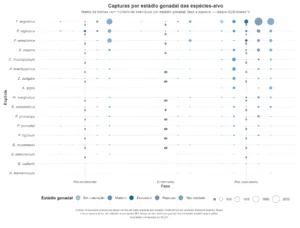
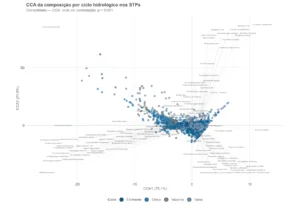
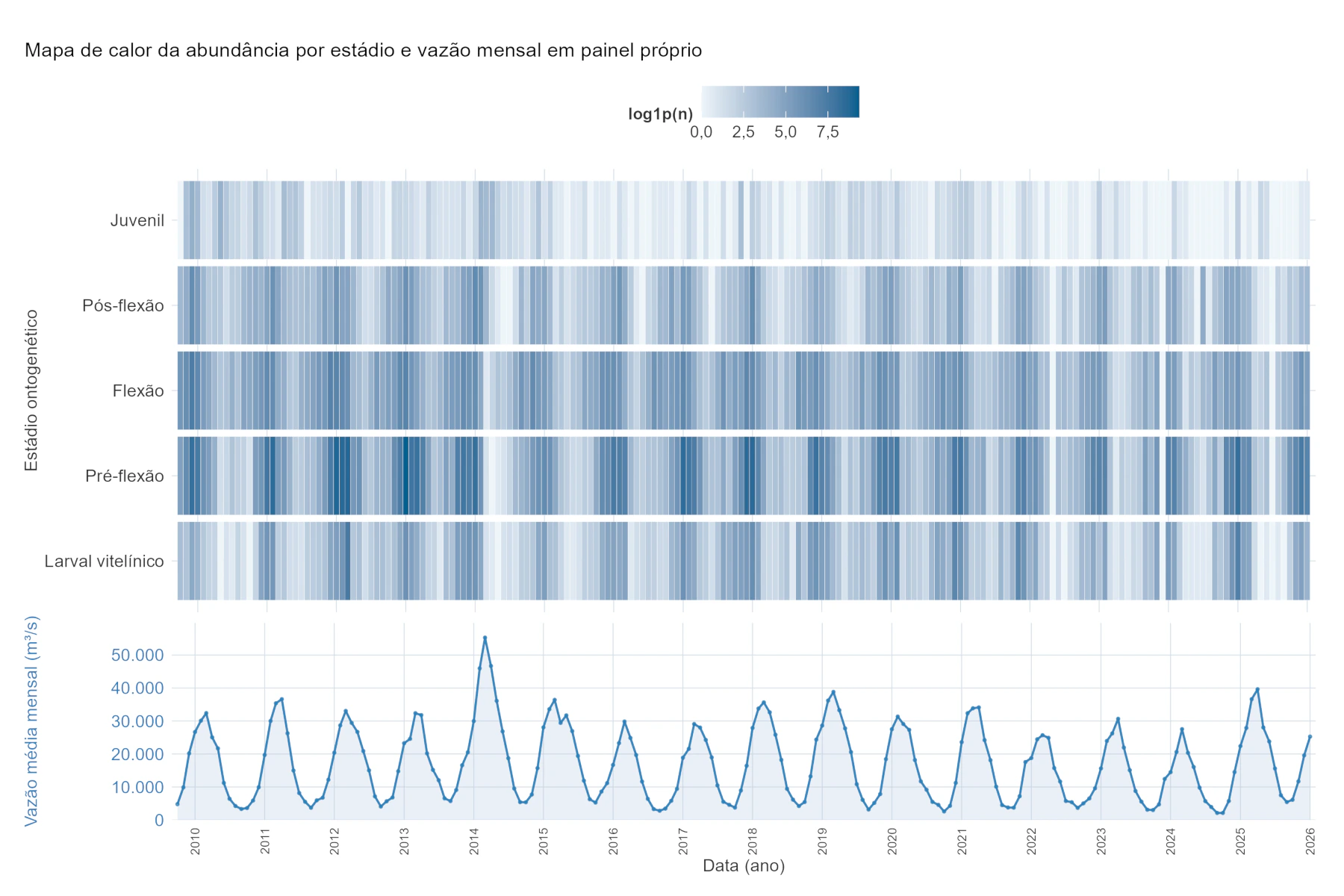
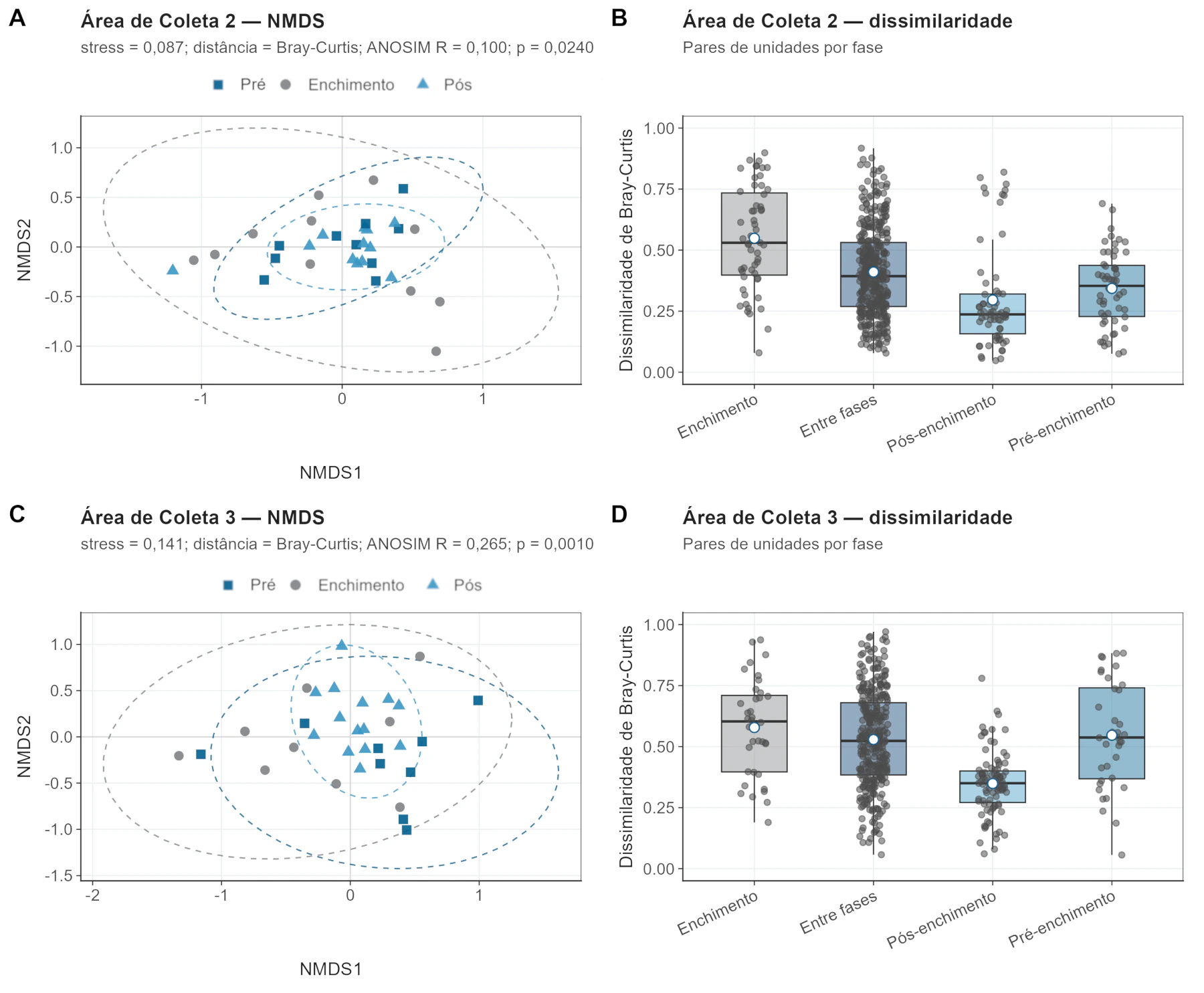
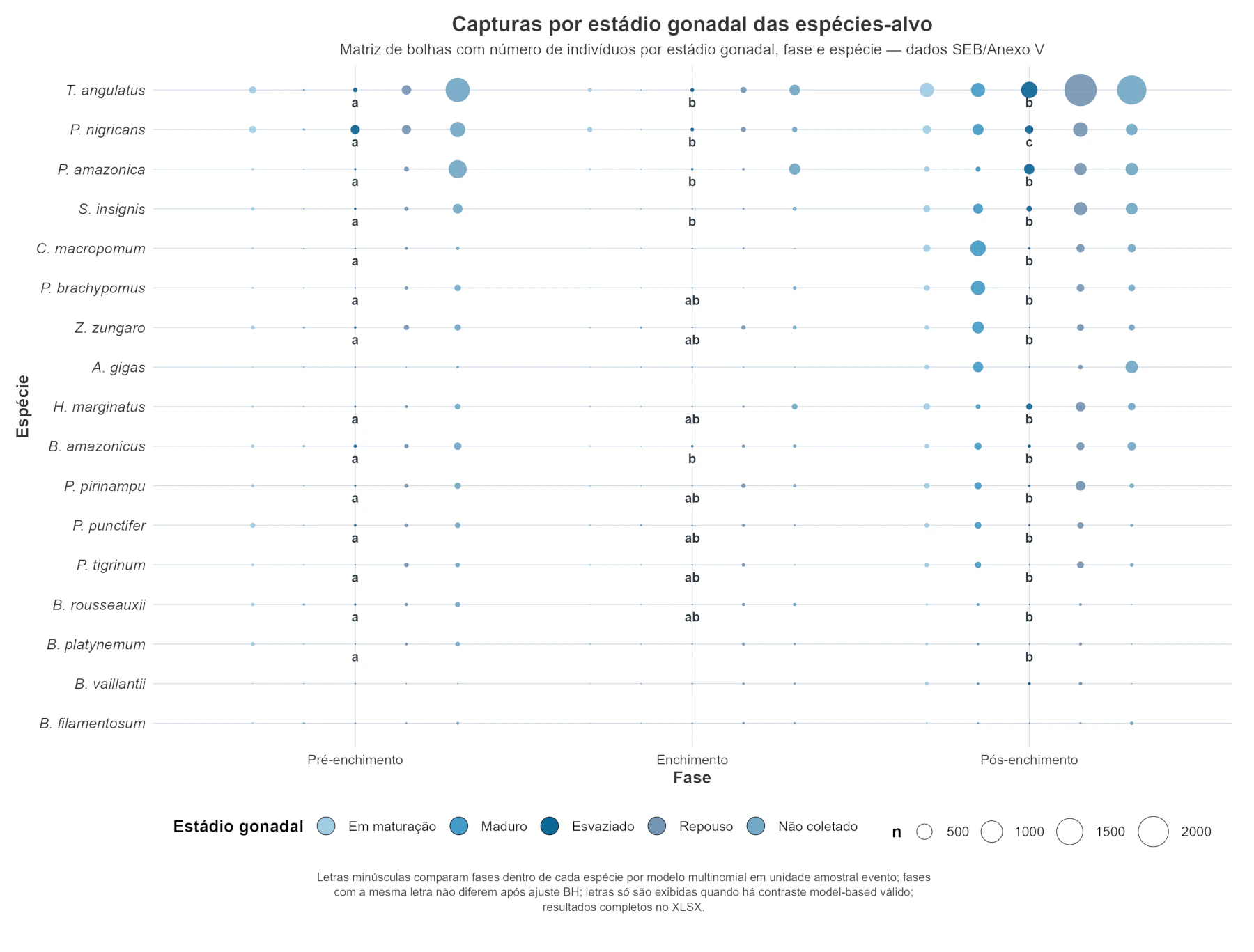
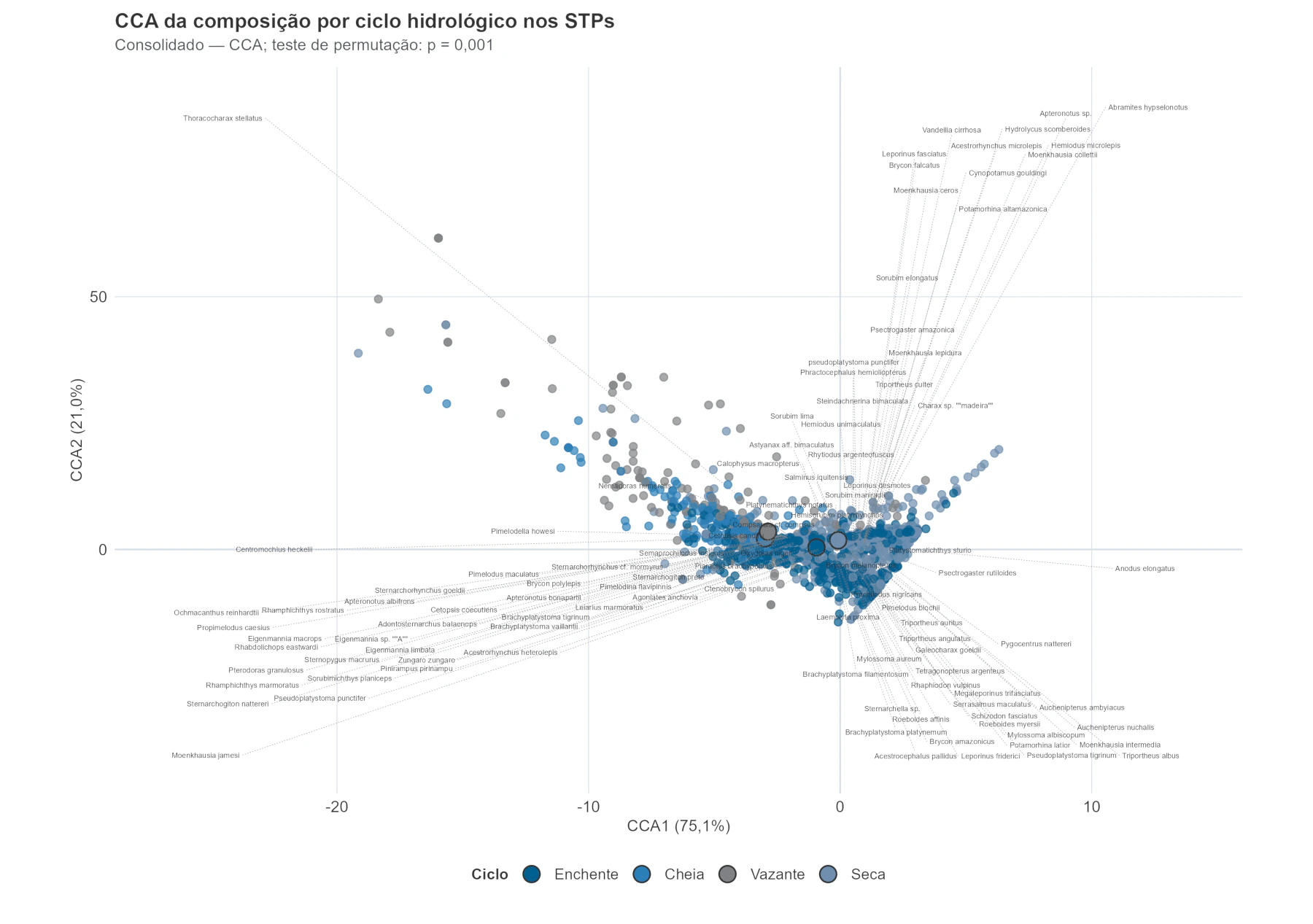
Data work has been part of my environmental practice rather than a separate afterthought. My experience includes structuring and supervising sampling databases, quality control, information systems, Excel and R-based analysis, statistical work, visualisation and technical reporting.
DATA SCALE · ICHTHYOPLANKTON
1,000,000+
database entries organised in an ichthyoplankton dataset
An example of the scale involved in environmental data organisation and management during my professional practice.
DATA SCALE · FAUNA
Hundreds of thousands
of entries in entomofauna and terrestrial-vertebrate databases
Large multi-project datasets requiring consistent structure, checking, organisation and traceability across environmental records.
01StructureOrganise records, variables and project context.
02CheckValidate, document and identify inconsistencies.
03AnalyseApply quantitative methods suited to the question and design.
04CommunicateTurn outputs into figures, tables, interpretation and reporting.
Confidentiality & verification: the underlying client databases are confidential and are not published on this website. Where professional due diligence is appropriate, relevant experience may be corroborated through references subject to the person’s consent. Confidential datasets, extracts or screenshots would only be shown with explicit authorisation from the relevant client or data owner.
Explore data analysis services ↗ Explore data quality & automation ↗
04
PROJECT & FIELD COORDINATION
Coordinating people, field activities and evidence flows.
Coordination experience spanning biodiversity monitoring, epidemiological surveillance and environmental education.
2020–2022 · BIODIVERSITY MONITORING PARTNERSHIP
UFG–Anglo American biodiversity-monitoring context
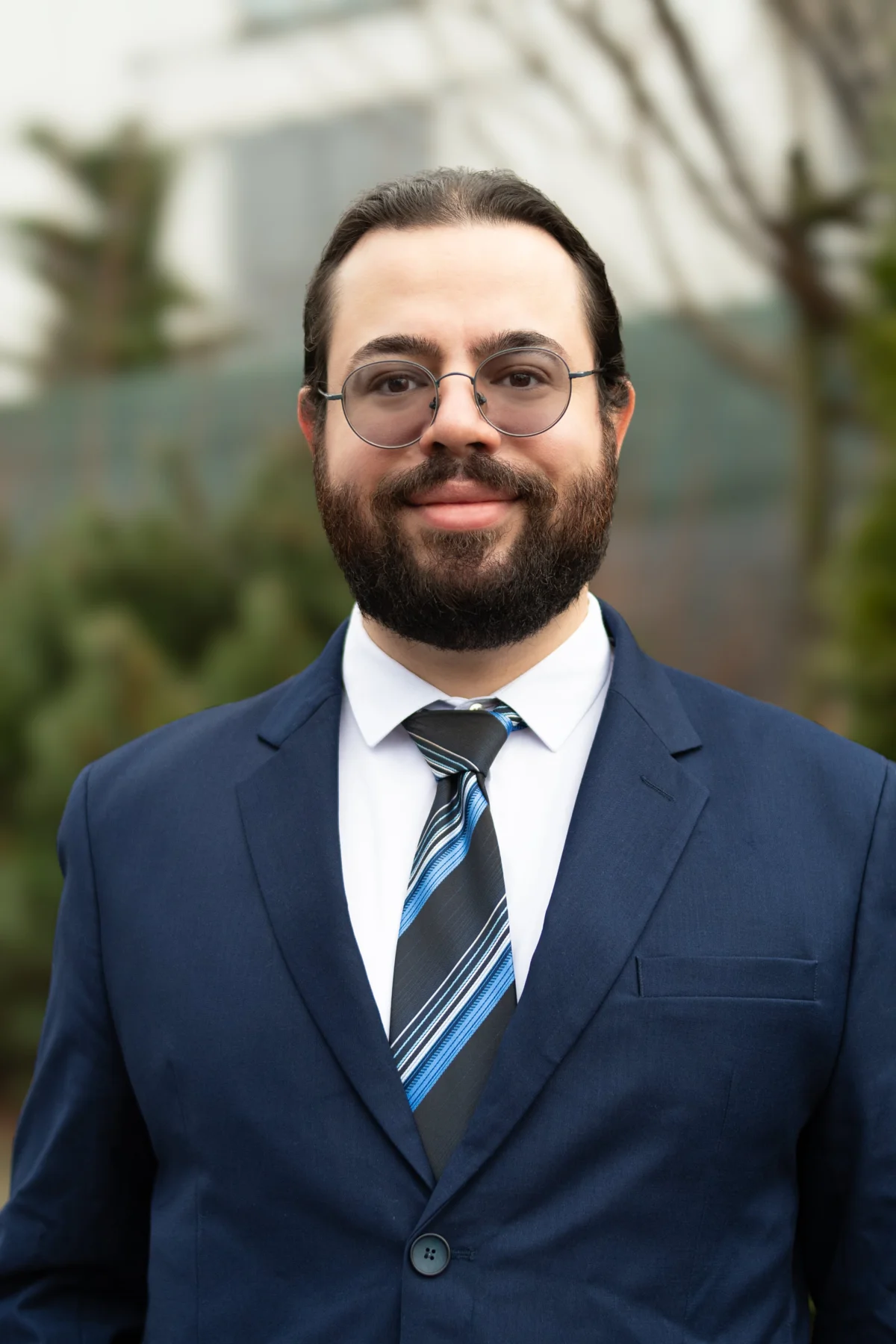
Voluntary coordination within a biodiversity-monitoring partnership involving the Federal University of Goiás (UFG) and Anglo American. My role centred on coordination of field activities and teams, together with technical interfaces supporting the programme.
Context clarification: this was a voluntary project-coordination role within the partnership, not direct employment by Anglo American.
BIOTA · CROSS-SECTOR FIELD COORDINATION
Epidemiological surveillance & environmental education
During my in-house environmental-consultancy role at Biota, I also coordinated field activities in epidemiological surveillance and environmental education, alongside field data collection, environmental-health work, team interfaces and technical delivery across environmental programmes.
This cross-sector coordination experience is part of the broader staff-role scope documented by the two cargo-e-serviço ARTs; those records support professional breadth but are not counted as two additional project-specific engagements.
Research experience also includes MSc and PhD work in environmental sciences, environmental impact assessment and licensing, as well as collaboration in biodiversity-data publications. The dedicated Research page presents the academic outputs in greater depth.
05
EDUCATION, TRAINING & TECHNICAL COMMUNICATION
Teaching and communication across different stages of my career.
Environmental-health training, school-level monitoring, environmental education, lectures, courses and academic teaching support.
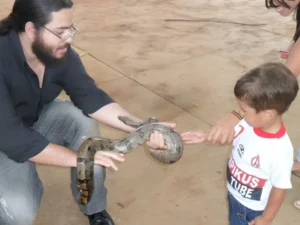
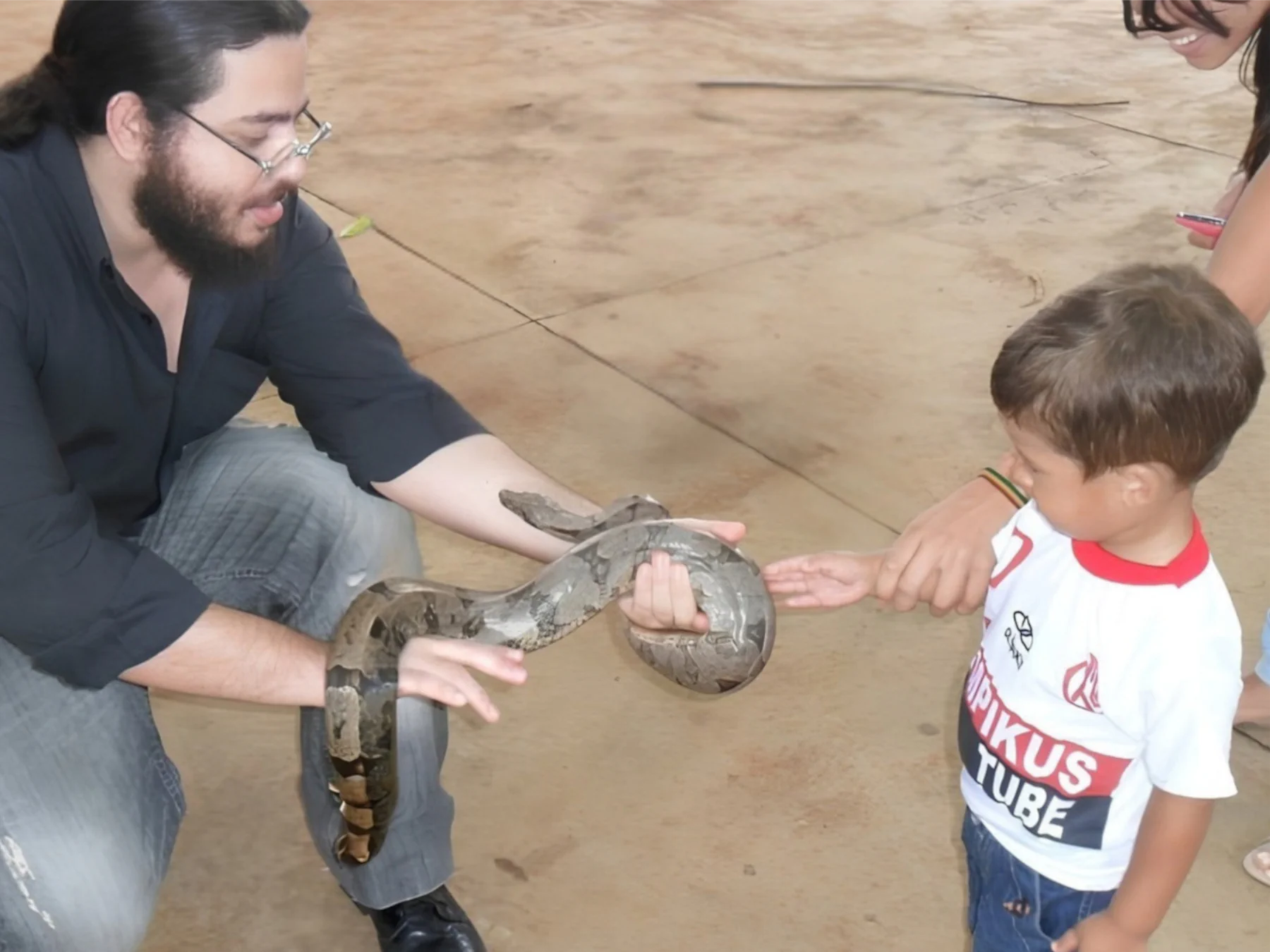
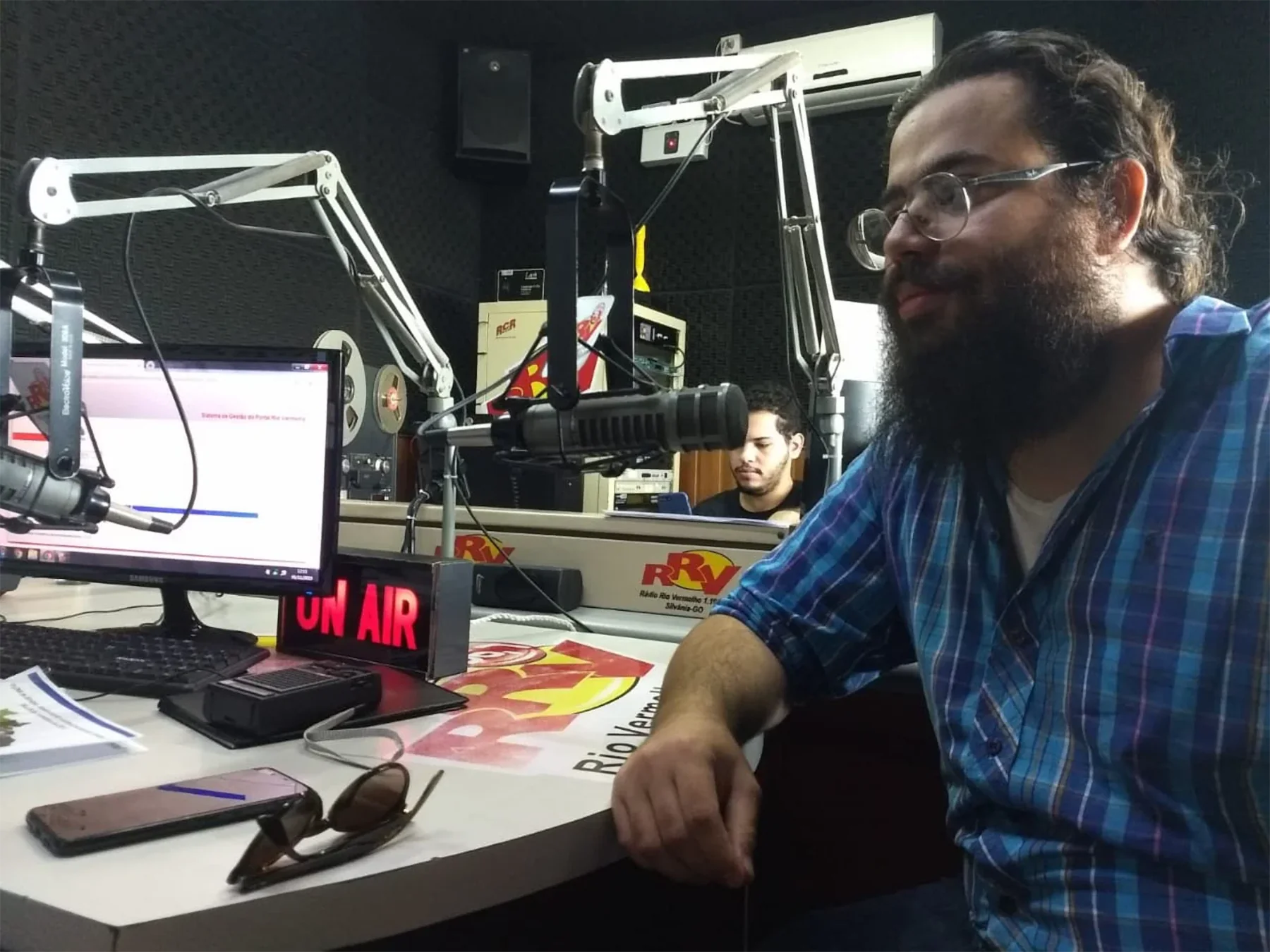
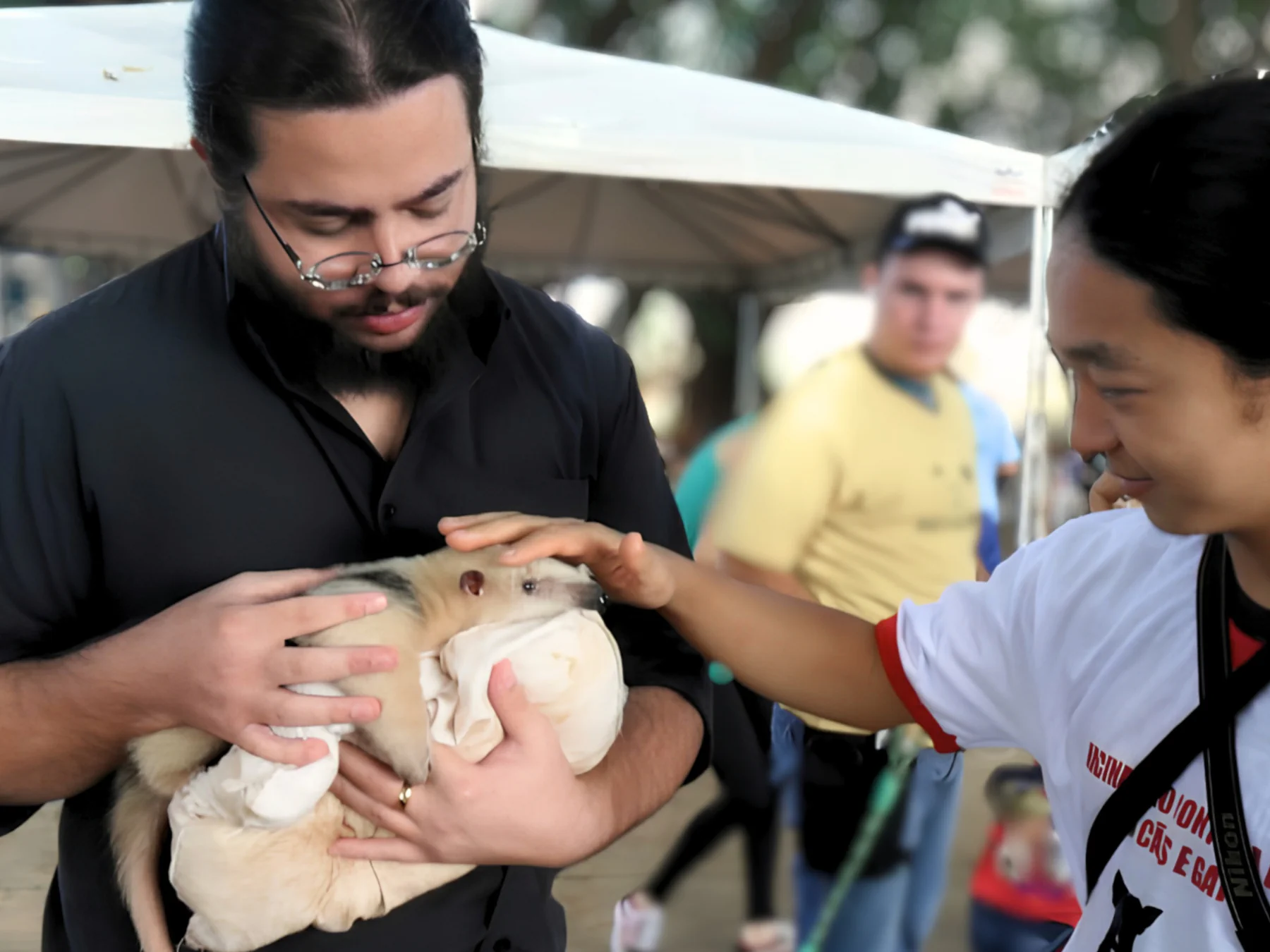
My education record spans school monitoring, supervised teaching placements, doctoral teaching internships, professional training, environmental education, invited talks and technical communication. The metrics below use conservative, currently quantifiable evidence rather than attempting to convert every educational activity into classroom hours.
Conservative count. The 2300+ figure includes currently quantified courses and professional training, undergraduate supervised teaching placements and doctoral teaching internships. It does not yet include reconstructed classroom hours from multi-year school monitoring, unquantified environmental-education activities, invited talks, workshops, round tables or lesson preparation. Of the 7 ART records involving environmental education, 5 are project-specific records and 2 are cross-sector staff-role records; the latter document professional scope and are not counted as additional projects.
QUANTIFIED TEACHING & TRAINING
- 360 hours: environmental-health training for health professionals across five municipalities in Maranhão and Tocantins.
- 20 hours: university-level short course on environmental forensics and auditing for undergraduate students.
- 400 hours: undergraduate supervised teaching placements in Science and Biology.
- 39 hours: doctoral teaching internships in Statistics and Bioindicators.
- Approximately 1500 hours: direct school teaching as a volunteer school monitor, excluding lesson preparation and planning.
ADDITIONAL TEACHING & MONITORING
- Informatics: multi-year volunteer monitoring at Colégio Estadual Antensina Santana, linked to Projeto Mais Educação (2010–2012).
- Science & Chess: multi-year volunteer monitoring at Colégio Estadual Arlindo Costa, under Programa Educação Integral (2010–2011).
- Environmental education: formally documented across 7 ART records, including project-specific responsibilities and broader cross-sector staff-role scope.
- Talks & outreach: selected invited lectures, workshops, round tables and scientific presentations on environmental assessment, licensing, biodiversity and environmental education.
MATERIALS & COMMUNICATION
The documented educational-output record includes 17 instructional materials, alongside scientific writing, visual communication and collaborative educational software.
EXPERIENCE BY SECTOR
51 project-specific engagements across seven contexts.
These categories describe the economic or institutional context of each project — not the technical service performed. A biodiversity diagnosis, for example, may occur in agribusiness, bioenergy, hydropower or mining.
Agribusiness21
Bioenergy14
Hydropower7
Construction4
Mining3
Infrastructure1
Research1
Counts refer to the 51 project-specific ART-documented engagements. The two cross-sector staff-role ARTs are intentionally excluded from this distribution.
HOW TO READ THIS PORTFOLIO
Context, contribution and evidence are kept separate.
This portfolio is deliberately selective. It distinguishes the project or institutional context from my individual contribution, and it does not convert coded activity categories into claims about numbers of physical deliverables.
- Project context identifies the environmental, research or institutional setting.
- My contribution describes the activity or responsibility supported by the professional record.
- Confidential material from employers or clients is not reproduced without explicit permission.
- Verification may rely on professional references where appropriate and subject to consent; confidential datasets or extracts are only shown with explicit authorisation from the relevant client or data owner.
- Selected examples are illustrative rather than an exhaustive catalogue of every project or output.